 Minha Reserva
  Português
 ไทย
ไทย ENGLISH
 KHAMER
 简体中文
简体中文 Русский
 Deutsch
 Tiếng Việt
 Français
 日本語
日本語 Español
 Italiano
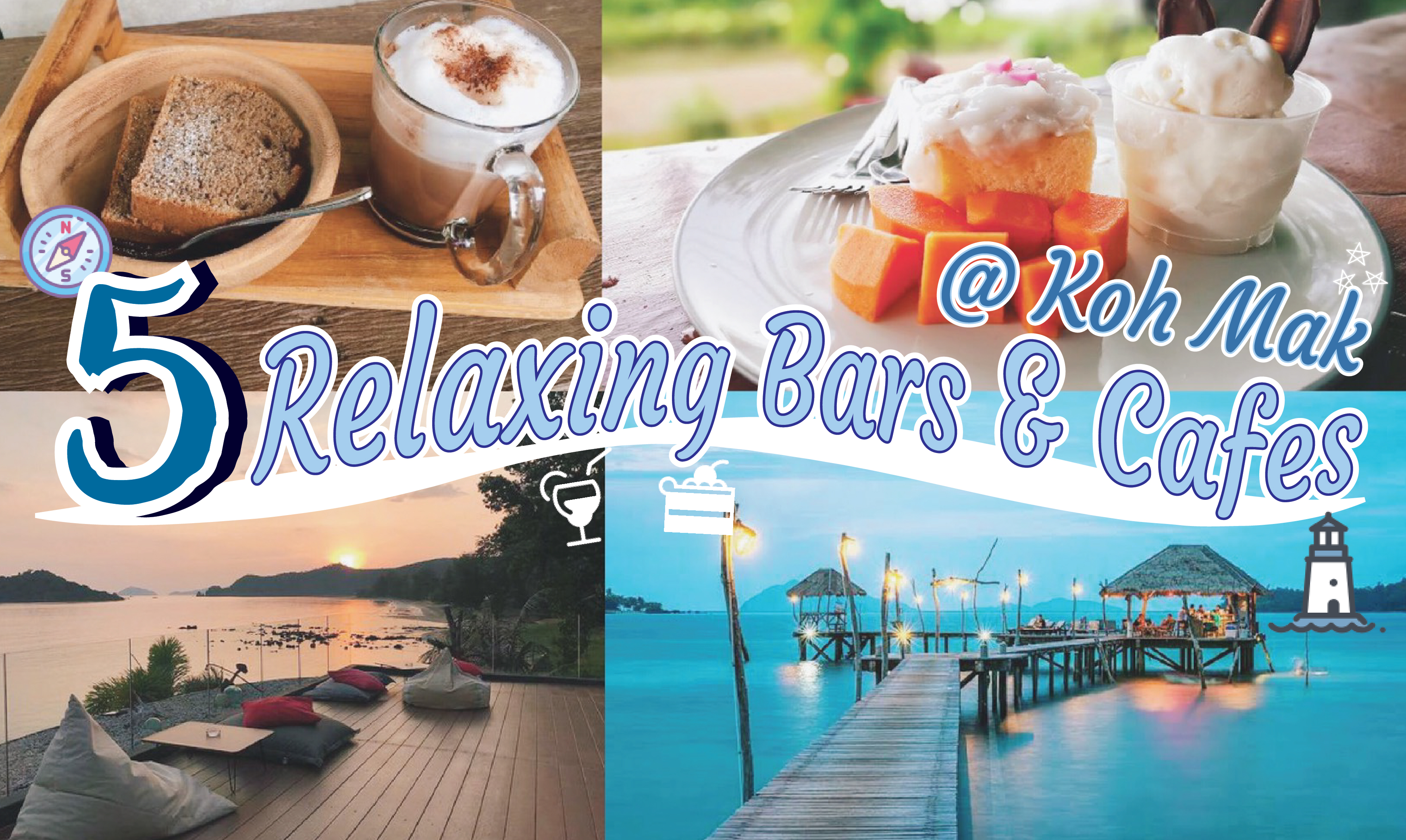
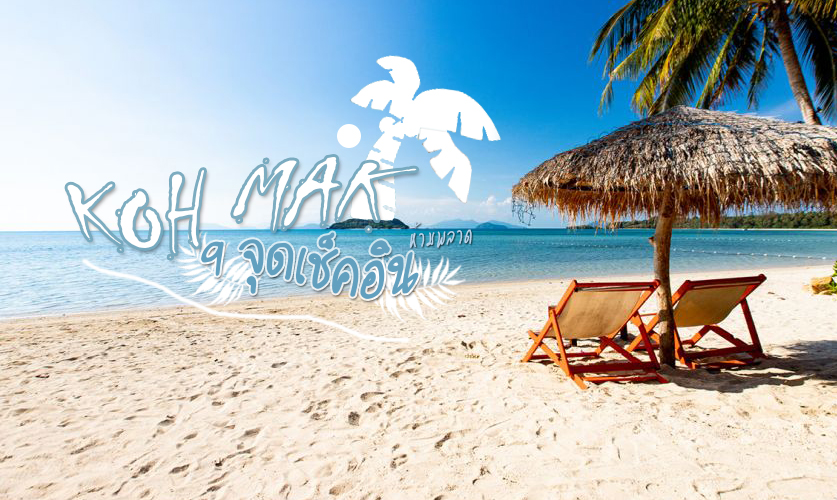
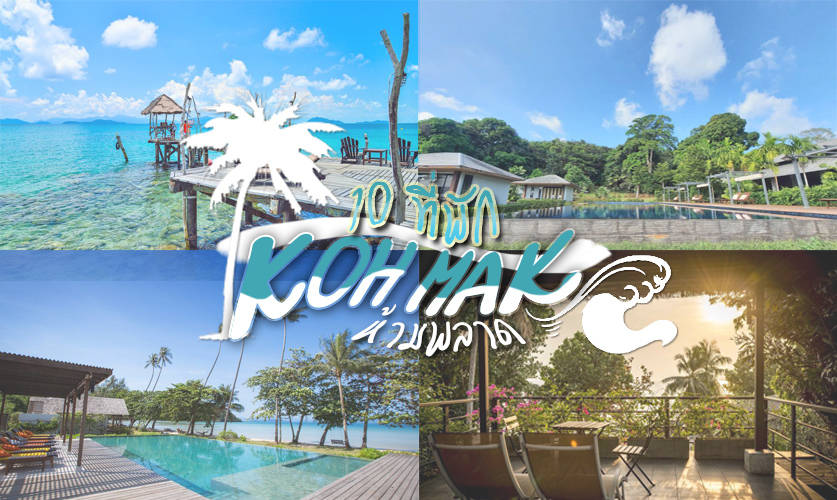
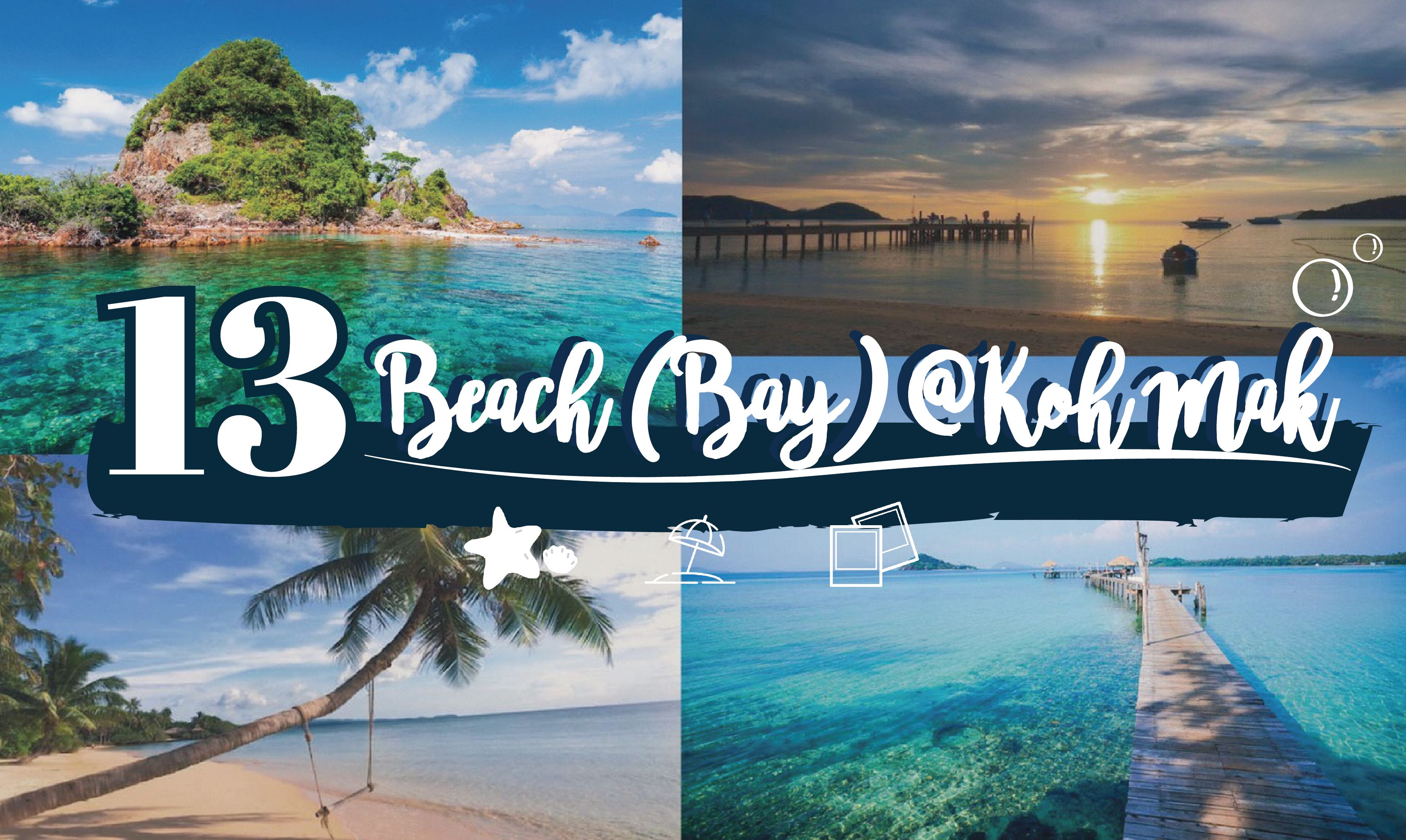
Koh Mak
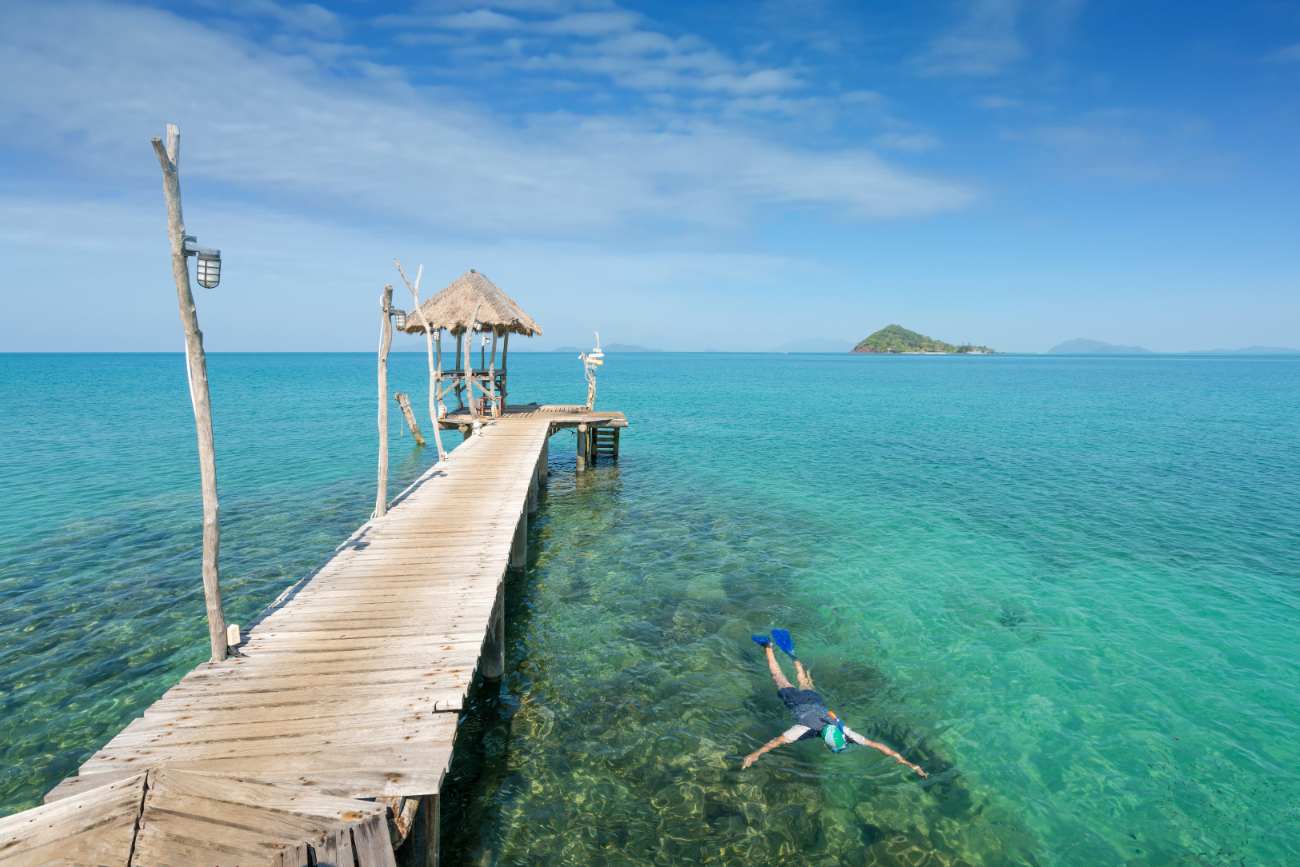
Koh Mak is a small island located right between Koh Chang and Koh Kood. The island covers an area of about 9,000 rai. Interestingly, it has been owned by a single family—the Tawatkul family—from the past up to the present day for over 100 years.
The first pioneer of Koh Mak was Luang Phrom Bhakdi, the ancestor of the Tawatkul family. Luang Phrom Bhakdi was the first person to take ownership of Koh Mak in 1904. He bought it from the previous owner, a Chinese deputy official named Jausua Seng during the reign of King Chulalongkorn (King Rama V), who had claimed the island to start a coconut plantation, for a price of 300 Chang (with 1 Chang equaling 80 baht). Later in 1910, he moved his family to settle on Koh Mak, building a coconut plantation of around 3,000 to 4,000 rai and constructing houses around Suan Yai Bay, an area with a beautiful sandy beach that offers clear views of neighboring islands, which came to be known as "Ban Suan Yai".
Luang Phrom Bhakdi had 12 children across two marriages, and today his descendants—now in their 5th and 6th generations across five main family branches (Tawatkul, Wongsiri, Suddhithanakul, Chantasoot, and Suksathit)—still own most of Koh Mak, with 4th-generation descendant Mr. Jakkaphat Tawatkul serving as the local subdistrict chief and owner of Koh Mak Resort. The island's name comes from Mak Pa (wild betel palm), which used to grow in abundance across its 9,500 rai of land, 9,000 rai of which remains covered in rubber and coconut plantations alongside 500 rai of public space. Though less famous than neighboring Koh Chang, Koh Mak stands out for its charming simplicity and its unique commitment to a low-carbon, eco-friendly lifestyle, making it a hidden gem for travelers looking to experience sustainable local living.